Introduction
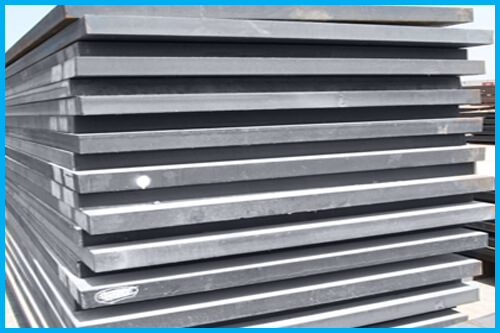
In industries where equipment operates under extreme pressure and temperature, the quality of the material used becomes critically important. Pressure Vessel Plates are specially manufactured steel plates designed to withstand high pressure, elevated temperatures, and demanding operating conditions. These plates are widely used in the fabrication of boilers, storage tanks, heat exchangers, and pressure vessels that are essential for many industrial processes.
Manufactured under strict quality standards, Pressure Vessel Plates are known for their excellent strength, reliability, and durability. Their balanced chemical composition and controlled production process allow them to perform safely in environments where structural integrity cannot be compromised. Because of these qualities, they have become a key material in sectors such as power generation, petrochemical processing, oil and gas refining, and heavy engineering.
Body
Pressure Vessel Plates are produced using carefully controlled steelmaking processes that ensure consistent mechanical properties and structural reliability. These plates are designed to perform in environments where equipment must handle high internal pressure and fluctuating temperatures without losing stability.
One of the most important characteristics of Pressure Vessel Plates is their excellent strength and toughness. These properties allow the plates to maintain structural integrity even when exposed to intense operating conditions. Industries that rely on pressure vessels require materials that can resist deformation, cracking, and failure during continuous use.
Another advantage of Pressure Vessel Plates is their good weldability. Fabrication processes such as cutting, forming, and welding are essential when manufacturing large industrial vessels. The composition of these plates allows them to be welded effectively when proper procedures are followed, ensuring strong and reliable joints in complex structures.
Pressure Vessel Plates also offer dependable performance in both high-temperature and moderate, low-temperature environments. This versatility makes them suitable for a wide range of industrial applications, from energy production to chemical processing. Their ability to combine strength, toughness, and fabrication capability makes them an essential material for equipment that must operate safely under pressure.
Key Features
Pressure Vessel Plates offer several advantages that make them suitable for demanding industrial applications:
High Strength for handling heavy pressure loads
Excellent Toughness under varying temperatures
Reliable Weldability for fabrication of large vessels
Strong Structural Stability in high-pressure environments
Consistent Mechanical Properties across the plate surface
Long Service Life in critical industrial operations
Types
Pressure Vessel Plates are available in various grades and forms to meet different industrial requirements:
Carbon Steel Pressure Vessel Plates – Commonly used for general pressure applications
Low Alloy Pressure Vessel Plates – Provide improved strength and temperature resistance
High Temperature Resistant Plates – Suitable for boilers and heat exchangers
Normalized Pressure Vessel Plates – Offer enhanced toughness and structural stability
These variations allow engineers to select the most suitable material based on the operating conditions of the vessel.
Applications
Pressure Vessel Plates are widely used in industries that require equipment capable of handling high pressure and temperature:
Power Generation Plants – Boilers and steam systems
Oil and Gas Industry – Storage tanks and processing vessels
Petrochemical Plants – Reactors and pressure containers
Chemical Processing Industry – Heat exchangers and reactors
Industrial Engineering – Fabrication of pressure tanks and heavy vessels
Their reliability and strength make them essential for equipment that must operate safely in demanding environments.
Conclusion
Pressure Vessel Plates play a vital role in industries where equipment must safely handle high-pressure and high-temperature conditions. Their excellent strength, dependable toughness, and reliable weldability make them a trusted material for the fabrication of boilers, tanks, and pressure vessels.
For industries that demand safety, durability, and long-term performance, Pressure Vessel Plates remain an essential material choice. Their ability to maintain structural integrity under challenging operating conditions continues to make them a cornerstone of modern industrial engineering.